How to Reduce Solar Heat Gain: The Definitive Guide to Thermal Control
The thermal performance of a building is rarely the result of a single design choice. Instead, it is an emergent property dictated by the interaction between architectural geometry, material science, and the unforgiving physics of electromagnetic radiation. At the center of this interaction lies solar heat gain—the increase in internal temperature resulting from solar radiation entering through windows, opaque walls, and roofs. How to Reduce Solar Heat Gain. While solar energy is a vital resource for natural lighting and passive heating in colder climates, its unmanaged accumulation in temperate and tropical zones represents one of the primary drivers of cooling energy demand and occupant discomfort globally.
Addressing this phenomenon requires more than a cursory application of reflective film or the installation of heavier curtains. It demands a systemic understanding of how shortwave radiation from the sun penetrates the building envelope, transforms into longwave infrared radiation (heat), and becomes trapped within the interior volume. This process, often referred to as the greenhouse effect on a micro-scale, can render modern glass-heavy structures virtually uninhabitable without massive mechanical intervention if the initial design fails to account for orientation and incident angles.
Effective thermal management involves a delicate balance between admitting visible light and rejecting invisible heat. This article examines the multi-layered strategies required to mitigate unwanted thermal energy, ranging from high-level site planning and structural shading to the molecular engineering of Low-E coatings. By viewing the building as a dynamic filter rather than a static box, we can identify precise points of intervention that maintain comfort while drastically reducing the carbon footprint associated with air conditioning.
Understanding “how to reduce solar heat gain”
The term “solar heat gain” describes a multifaceted transfer of energy. When we discuss how to reduce solar heat gain, we are fundamentally looking at the Solar Heat Gain Coefficient (SHGC). This metric, ranging from 0 to 1, indicates the fraction of incident solar radiation that actually enters a building. A lower SHGC means less heat is transmitted, but the path to achieving that number is often misunderstood as a simple matter of “blocking the sun.”
In reality, reducing heat gain involves managing three distinct types of solar energy: ultraviolet (UV), visible light, and near-infrared (NIR). While we perceive visible light, it is the NIR spectrum that carries the bulk of the heat. A common mistake is assuming that a dark window or a shaded room is naturally “cool.” However, if the glass itself absorbs the heat without a thermal break, that energy eventually radiates inward through re-radiation and convection, bypassing the visual barrier entirely.
The complexity intensifies when one considers the “Mean Radiant Temperature” (MRT). Even if the air in a room is cooled to 72°F (22°C) by an HVAC system, an occupant sitting near a window that has high solar gain will feel uncomfortably warm because their body is absorbing radiant energy directly from the glass surface. Therefore, the objective is not just to lower the air temperature, but to manage the radiant environment. This requires an integrated approach where the building envelope acts as a selective valve, allowing the beneficial aspects of the sun in while reflecting the thermal liabilities.
The Physics and Historical Evolution of Solar Control
Historically, human shelter relied on mass and orientation. Ancient Mediterranean and Middle Eastern architectures utilized thick masonry walls to create a “thermal lag,” absorbing the sun’s heat during the day and releasing it slowly at night when the air was cooler. Small apertures and deep-set windows were the primary methods used to limit the entry of direct sunlight.
With the advent of the “International Style” in the 20th century—characterized by expansive glass curtain walls—the historical wisdom of solar shading was often discarded in favor of aesthetic transparency. This created a crisis in building science. Modern glass towers became giant solar collectors, leading to the development of massive, energy-hungry mechanical cooling systems to compensate for poor envelope performance.
The shift toward sustainable design in the 21st century has brought us back to the fundamentals of solar geometry, but with the added precision of modern material science. We now use spectrally selective coatings that can distinguish between wavelengths. These materials allow the “cool” visible light to pass through while reflecting the “hot” infrared spectrum. Understanding this evolution is key; we are moving away from brute-force cooling toward sophisticated, passive energy rejection.
Conceptual Frameworks for Thermal Management
To effectively strategize, one must use mental models that categorize the heat gain problem.
1. The Three-Layer Filter Model
View the building as three concentric circles of defense:
-
The Site/Landscape Layer: Using trees, topography, and neighboring structures to provide macro-shading.
-
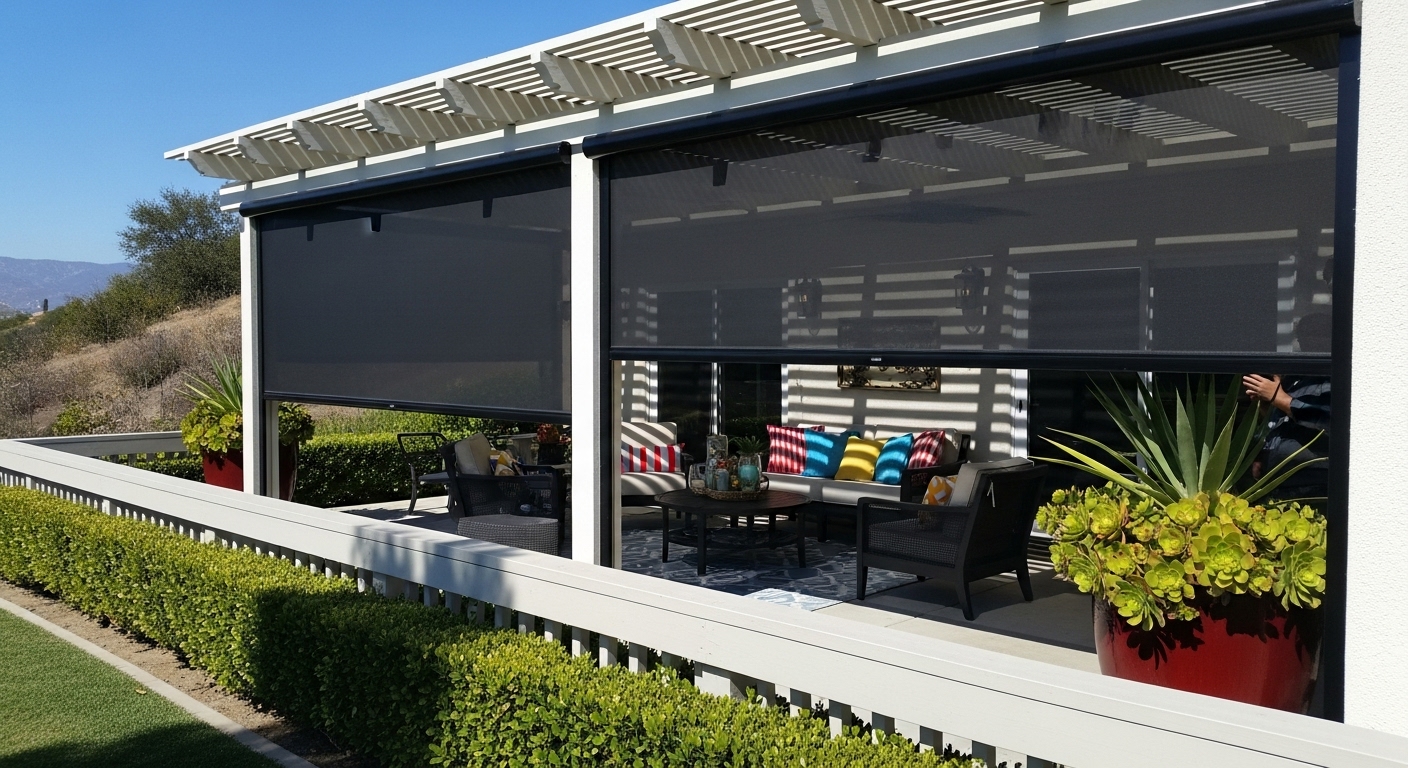
The External Envelope: Fixed or movable shading devices (brise-soleil, awnings) that stop heat before it even hits the glass.
-
The Material Layer: The internal properties of the glazing and insulation that manage whatever energy the first two layers missed.
2. The Incident Angle Framework
Solar intensity is not constant. The angle at which sunlight hits a surface determines the “flux density.” Vertical glazing on the south side (in the Northern Hemisphere) receives intense sun in the winter when the sun is low, but less in the summer when the sun is high. Conversely, east and west windows are the most problematic in summer because the low-angle morning and evening sun hits them directly, making them the most critical targets for intervention.
3. The Source-Path-Receiver Logic
-
Source: The Sun (mitigated by orientation).
-
Path: The Building Envelope (mitigated by shading and coatings).
-
Receiver: The Interior Mass (mitigated by thermal storage and ventilation).
Key Categories of Mitigation Strategies
Managing solar gain is rarely a “one-size-fits-all” endeavor. The following table compares the primary categories of intervention.
| Strategy Category | Mechanism | Best Use Case | Primary Limitation |
| External Shading | Physical Obstruction | New construction; South/West facades | High initial cost; Wind load risks |
| Spectrally Selective Glazing | Molecular Coating | Retrofits; Commercial towers | Permanent; Reduces some visible light |
| Thermal Mass | Heat Absorption/Lag | High-diurnal range climates | Ineffective in humid, non-cooling nights |
| Secondary Envelopes | Double-Skin Facades | High-end commercial; Cold climates | Complex maintenance; Heavy weight |
| Interior Treatments | Reflective Blinds | Renters; Quick retrofits | Heat is already “inside” the glass |
Realistic Decision Logic
When deciding how to reduce solar heat gain, the hierarchy should always be External > Middle > Internal. Stopping the photon before it enters the glass is exponentially more effective than trying to manage it once it has already penetrated the envelope. For instance, an exterior shutter can reject up to 90% of solar gain, whereas an interior blind might only reject 20-30% because the heat trapped between the blind and the window creates a “radiator effect” inside the room.
Detailed Real-World Scenarios How to Reduce Solar Heat Gain
Scenario A: The West-Facing “Glass Box” Office
In many urban centers, developers prioritize views, resulting in floor-to-ceiling west-facing glass. During summer afternoons, these offices experience massive heat spikes.
-
The Failure: Relying solely on the HVAC. The cooling system fights the radiant heat, creating cold drafts but failing to stop the “hot” feeling near the glass.
-
The Solution: Retrofitting with an external micro-louvers or high-performance solar film with an SHGC below 0.25.
Scenario B: The Residential Sunroom
A homeowner finds their sunroom unusable in July.
-
Decision Point: Should they replace the glass or add a pergola?
-
The Logic: A pergola with deciduous vines provides seasonal intelligence—shade in the summer and sunlight in the winter when leaves fall. This is a “passive-dynamic” solution that outperforms static glass replacements.
Planning, Cost, and Resource Dynamics
The financial aspect of solar mitigation involves looking at the Total Cost of Ownership (TCO) rather than just the “sticker price” of materials.
| Resource/Action | Estimated Cost (Relative) | Energy Savings Potential | ROI Period |
| Window Film (DIY) | Low | 10-15% | 1–2 Years |
| External Awnings | Moderate | 25-40% | 3–5 Years |
| High-Performance Glazing | High | 40-60% | 7–12 Years |
| Automated Louvers | Very High | 50%+ | 10+ Years |
Opportunity Costs: Failing to invest in solar mitigation often necessitates a larger, more expensive HVAC system. By reducing the peak cooling load through passive means, a developer can often downsize the mechanical equipment, effectively “paying” for the shading through equipment savings.
Tools, Strategies, and Support Systems
To implement these changes, several technological and strategic tools are available:
-
Solar Path Diagrams: Used to predict exactly where the sun will be at any hour of the year.
-
Energy Modeling Software (e.g., EnergyPlus): Simulates how different SHGC values impact annual energy bills.
-
Low-Emissivity (Low-E) Coatings: Microscopic metallic layers that suppress radiative heat flow.
-
Electrochromic Glass: “Smart” glass that tints on demand via an electric current.
-
Phase Change Materials (PCMs): Materials that absorb heat by melting during the day and solidify at night.
-
Thermal Imaging: Identifying “hot spots” where heat gain is most aggressive.
Risk Landscape and Failure Modes
Even well-intentioned strategies can fail.
-
Thermal Stress Breakage: Applying dark film to the inside of certain types of double-pane glass can cause the air between the panes to overheat, expanding and cracking the glass.
-
“Daylighting” Trade-off: Reducing solar gain too aggressively can make a space so dark that artificial lights must be used all day, potentially increasing the total energy load and harming occupant well-being.
-
Reflective Glare: A highly reflective building might reduce its own heat gain but create a “death ray” effect for neighbors or melting plastic on nearby cars (as seen in several high-profile architectural failures in London and Las Vegas).
Governance, Maintenance, and Long-Term Adaptation
A building’s strategy for how to reduce solar heat gain is not a “set and forget” system.
-
Annual Inspections: Checking seals on external shading and the integrity of films.
-
Cleaning Cycles: Dirt on reflective surfaces reduces their efficacy.
-
Seasonal Adjustments: For buildings with manual shading (shutters, awnings), a clear protocol for when to deploy them is essential.
-
Layered Checklist:
-
[ ] Verify SHGC of all replacement glazing.
-
[ ] Inspect external louvers for mechanical wear.
-
[ ] Calibrate automated sensors (if using smart glass).
-
[ ] Monitor indoor humidity (lower gain can sometimes lead to higher relative humidity if not balanced with ventilation).
-
Measurement, Tracking, and Evaluation
How do we know the strategy is working?
-
Leading Indicators: Real-time surface temperature of interior walls and glass during peak sun hours.
-
Lagging Indicators: Monthly utility bills compared against “degree days” (a measure of how hot the weather was).
-
Qualitative Signals: Occupant surveys regarding glare and thermal comfort.
Documentation Examples:
-
Heat Map Logs: Recording temperatures across a room to ensure there are no radiant “hot zones.”
-
HVAC Runtime Logs: Tracking if the compressor is cycling less frequently after an intervention.
Common Misconceptions and Oversimplifications
-
“Tinted glass is the best solution”: Tinted glass often absorbs heat and radiates it inward. Spectrally selective clear glass is often more efficient.
-
“Double-pane glass stops all heat”: Standard double-pane glass is designed for insulation (keeping heat in), not necessarily for solar rejection.
-
“Trees are only for aesthetics”: A strategically placed tree can reduce AC costs by up to 30%.
-
“White blinds are enough”: If they are inside the glass, the heat is already “in the building.”
-
“Solar gain is only a summer problem”: In over-glazed buildings, solar gain can cause overheating even in the winter, leading to the absurdity of running AC while it’s snowing outside.
Conclusion
Reducing solar heat gain is an exercise in intentionality. It requires moving away from the “sealed box” mentality of the 20th century and embracing a more nuanced, responsive relationship with our environment. The most successful strategies are those that integrate multiple layers of defense—prioritizing external shading and site orientation before relying on the chemical properties of glass or the mechanical power of HVAC systems. By meticulously managing the Solar Heat Gain Coefficient and understanding the radiant physics at play, we can create structures that are not only energy-efficient but fundamentally more comfortable for the humans who inhabit them. True topical mastery in building science lies in this realization: we do not fight the sun; we filter it.